
Starting an LLC is one of the most common ways business owners protect their personal assets.
It creates a legal separation between the owner and the business, which can help reduce personal risk if the company faces debts, lawsuits, or financial problems.
For many entrepreneurs, this is the biggest reason to form an LLC in the first place.
If you run a business as a sole proprietor, there is no legal wall between you and the business. If the business is sued or cannot pay its debts, your personal savings, car, home, and other assets may be exposed.
An LLC changes that structure. It creates a separate legal entity that can own property, sign contracts, open bank accounts, accept payments, and take on business obligations in its own name.
However, forming an LLC does not automatically protect everything forever. The protection only works if you manage the LLC properly.
If you mix personal and business money, ignore legal formalities, commit fraud, or personally guarantee business debt, your personal assets may still be at risk.
In this guide, you will learn how an LLC protects personal assets, what it does not protect, how to maintain liability protection, and the common mistakes that can weaken your LLC shield.
What Are Personal Assets?
Personal asset protection means keeping your private property separate from business risk.
Personal assets may include:
• Personal bank accounts
• Home or real estate
• Personal vehicle
• Retirement accounts
• Investments
• Jewelry and valuables
• Personal savings
• Personal belongings
If your business faces a lawsuit, unpaid debt, contract dispute, customer claim, or vendor issue, personal asset protection helps reduce the chance that your private property will be used to satisfy business obligations.
This is not about hiding assets. It is about using a proper legal structure and managing the business correctly.
An LLC can help because it separates the business from the owner. The LLC becomes responsible for its own debts and legal obligations, not automatically the owner personally.
How an LLC Helps Protect Personal Assets?
An LLC protects personal assets by creating a legal separation between the business and its members.
The members are the owners of the LLC.
If the LLC is sued, the claim is usually against the company, not the individual owner. If the LLC owes money, creditors usually look to business assets first, not the owner’s personal assets.
For example, if your LLC signs a service contract and later cannot pay the bill, the creditor may sue the LLC. If the LLC is properly maintained, your personal savings are generally not the first target.
This is different from a sole proprietorship, where the business and owner are legally the same.
Here is a simple comparison:
| Business Structure | Personal Asset Protection |
|---|---|
| Sole proprietorship | No separate liability protection |
| General partnership | Owners may be personally liable |
| LLC | Helps separate personal and business liability |
| Corporation | Also provides liability protection but has more formalities |
An LLC is popular because it gives liability protection while staying easier to manage than a corporation.
What an LLC Can Protect You From?
An LLC can protect you from many business-related risks.
Common examples include:
| Risk | How an LLC May Help |
|---|---|
| Business debts | Creditors may be limited to LLC assets |
| Contract disputes | Claims are usually against the company |
| Vendor claims | Business obligations stay with the LLC |
| Customer lawsuits | Lawsuit may target the business entity |
| Lease obligations | Liability may depend on contract terms |
| Employee-related claims | LLC structure can help separate business risk |
| Business credit cards | Protection depends on whether you personally guaranteed them |
For example, if a client sues your marketing agency LLC over a contract dispute, the lawsuit will usually name the LLC.
If you did not personally guarantee the contract or commit misconduct, your personal assets may have protection.
This is why many consultants, freelancers, ecommerce sellers, real estate investors, agencies, and local service businesses use LLCs.
What an LLC Does Not Protect You From?
An LLC is powerful, but it is not a magic shield.
There are situations where your personal assets may still be at risk.
1. Personal Guarantees
If you personally guarantee a loan, lease, credit card, or vendor contract, you agree to be personally responsible if the LLC does not pay.
Many banks and landlords require personal guarantees from small business owners.
If you sign one, the LLC will not protect you from that obligation.
2. Personal Wrongdoing
An LLC does not protect you from your own wrongful actions.
If you personally commit fraud, injure someone, break the law, or act negligently, you can still be personally liable.
For example, if you personally cause a car accident while working for the business, the LLC may not fully protect your personal assets.
3. Mixing Personal and Business Finances
If you treat the LLC’s money like your personal wallet, a court may decide the LLC is not truly separate from you.
This is called piercing the corporate veil.
It can happen when owners ignore the separation between themselves and the company.
4. Unpaid Taxes
Certain tax obligations can create personal risk.
For example, payroll taxes and some trust fund taxes may create personal liability for responsible persons.
5. Fraud or Illegal Activity
An LLC cannot be used to escape fraud, deception, illegal conduct, or intentional wrongdoing.
If the LLC is used improperly, protection can be lost.
What Is Piercing the Corporate Veil?
Piercing the corporate veil is when a court ignores the LLC’s separate legal status and allows creditors to go after the owner personally.
This usually happens when the LLC is misused or treated like a personal extension of the owner.
Common reasons include:
• Mixing personal and business funds
• Using the LLC for fraud
• Failing to keep proper records
• Undercapitalizing the business
• Ignoring company formalities
• Using business funds for personal expenses
• Signing contracts personally instead of through the LLC
For most honest small business owners, this risk can be managed with good habits.
The key is simple: treat your LLC like a real business.
Step-by-Step Asset Protection Checklist

Forming the LLC is only the first step. To keep your personal assets safe, you need to manage it properly.
Step 1: Form the LLC Correctly
Make sure your LLC is properly formed with the state.
This usually means:
• Choosing a valid LLC name
• Appointing a registered agent
• Filing Articles of Organization
• Paying the state filing fee
• Getting state approval
Keep a copy of your approved formation documents.
If the LLC was never properly formed, you may not get the protection you expect.
Step 2: Create an Operating Agreement
An operating agreement explains how your LLC is owned and managed.
Even if you have a single-member LLC, this document is important.
It helps show that your LLC is a separate business entity.
Your operating agreement should include:
• LLC name
• Member name
• Ownership percentage
• Management structure
• Profit distribution rules
• Voting rules, if multiple members
• Dissolution rules
Banks, lenders, and business partners may also ask for this document.
Step 3: Get an EIN
An EIN is a federal tax ID for your business.
It helps separate your business identity from your personal identity.
You may need an EIN to:
• Open a business bank account
• Hire employees
• File certain tax forms
• Work with payment processors
• Apply for business credit
Even single-member LLCs often benefit from having an EIN.
Step 4: Open a Separate Business Bank Account
This is one of the most important steps.
Your LLC should have its own business bank account.
All business income should go into that account. All business expenses should be paid from that account.
Do not use your personal account for business payments. Do not use your business account for personal shopping.
Keeping money separate helps prove that the LLC is a real independent business.
Step 5: Sign Contracts in the LLC’s Name
Always sign business contracts on behalf of the LLC, not in your personal name.
For example, instead of signing:
John Smith
Use:
BrightPath Digital LLC
By: John Smith, Managing Member
This shows that the company, not you personally, is entering the agreement.
Be careful with personal guarantees. If a contract says you are personally guaranteeing the debt, the LLC may not protect you from that obligation.
Step 6: Keep Proper Business Records
Good records help protect the LLC structure.
Keep copies of:
• Formation documents
• Operating agreement
• EIN confirmation
• Business licenses
• Contracts
• Invoices
• Bank statements
• Tax returns
• Annual reports
• Member decisions
You do not need corporate-style meeting minutes in every case, but you should keep clean records of major decisions.
Step 7: Maintain State Compliance
Your LLC must stay active and in good standing with the state.
Common requirements include:
• Annual reports
• Franchise taxes
• Registered agent service
• Business license renewals
• State tax filings
If you ignore these requirements, your LLC may lose good standing or be administratively dissolved.
A dissolved or inactive LLC may not protect you the way you expect.
Step 8: Keep Enough Money in the Business
Your LLC should have enough money to meet normal business obligations.
If you form an LLC but never fund it properly, take all the money out, and leave creditors unpaid, that can create problems.
This is sometimes called undercapitalization.
You do not need to keep huge amounts of cash, but your LLC should be reasonably funded for its size, industry, and risks.
Step 9: Use Business Insurance
An LLC and business insurance work best together.
The LLC creates legal separation. Insurance helps pay claims when something goes wrong.
Depending on your business, you may need:
| Insurance Type | Best For |
|---|---|
| General liability insurance | Customer injuries, property damage, basic claims |
| Professional liability insurance | Consultants, agencies, advisors, service providers |
| Product liability insurance | Ecommerce sellers and product businesses |
| Commercial auto insurance | Business vehicle use |
| Workers’ compensation | Businesses with employees |
| Cyber liability insurance | Online businesses handling customer data |
Do not assume your LLC replaces insurance. It does not.
Step 10: Avoid Personal Guarantees When Possible
Many small business owners sign personal guarantees without realizing what they mean.
A personal guarantee makes you personally responsible for a business debt.
Try to avoid personal guarantees when possible, especially for:
• Business loans
• Office leases
• Equipment financing
• Credit lines
• Vendor accounts
Sometimes you cannot avoid them, especially as a new business. If you must sign one, understand the risk before signing.
Step 11: Separate Personal and Business Assets
Do not mix assets.
Business equipment, business funds, business inventory, and company property should belong to the LLC.
Personal property should stay separate.
If the LLC buys a laptop, record it as a business asset. If you use your personal car for business, track mileage and expenses properly.
Clean separation supports liability protection.
Step 12: Avoid Fraud or Misleading Conduct
No business structure protects fraud.
Be honest with customers, vendors, lenders, tax authorities, and partners.
Do not use the LLC to hide money, avoid debts, mislead people, or break the law.
Asset protection works best when the business is operated properly and honestly.
Personal Asset Protection Checklist for LLC Owners
Use this checklist to keep your LLC protection strong.
| Step | Task |
|---|---|
| 1 | Form the LLC properly with the state |
| 2 | Create an operating agreement |
| 3 | Get an EIN |
| 4 | Open a business bank account |
| 5 | Keep personal and business money separate |
| 6 | Sign contracts in the LLC’s name |
| 7 | Avoid personal guarantees when possible |
| 8 | Maintain state compliance |
| 9 | Keep business records organized |
| 10 | File taxes on time |
| 11 | Keep enough money in the business |
| 12 | Use proper business insurance |
| 13 | Avoid fraud and illegal conduct |
| 14 | Keep licenses and permits active |
Best Businesses That Benefit From LLC Asset Protection
An LLC can be useful for many business types.
| Business Type | Why an LLC Helps |
|---|---|
| Freelancers | Separates client work from personal assets |
| Consultants | Helps reduce contract-related personal risk |
| Ecommerce sellers | Useful for product and payment disputes |
| Real estate investors | Common for rental property liability separation |
| Local service providers | Helps manage customer and vendor claims |
| Agencies | Useful for contracts, contractors, and client disputes |
| Online business owners | Helps with banking, payments, and legal structure |
| Family businesses | Creates ownership and management structure |
Businesses with customer interaction, contracts, physical products, real estate, or financial risk benefit most from an LLC.
LLC vs Insurance: Which Protects You Better?

An LLC and insurance protect you in different ways.
| Protection Tool | What It Does |
|---|---|
| LLC | Separates personal assets from business liabilities |
| Insurance | Helps pay covered claims and legal costs |
| Contract terms | Limits business obligations and risk |
| Good records | Supports the LLC’s legal separation |
| Compliance | Keeps the LLC active and valid |
You should not choose between an LLC and insurance. For many businesses, the best protection is using both.
For example, if a customer sues your business, insurance may cover legal costs while the LLC helps keep the claim focused on the business entity.
Common Mistakes That Put Personal Assets at Risk
1. Using One Bank Account for Everything
This is one of the biggest mistakes.
Mixing personal and business money makes your LLC look less separate.
2. Signing Contracts Personally
If you sign in your personal name, you may become personally responsible.
Always sign as a representative of the LLC.
3. Ignoring State Filings
If your LLC loses good standing, your protection may weaken.
File annual reports and pay state fees on time.
4. Taking Too Much Money Out
If you drain the company account and leave unpaid bills behind, creditors may challenge the LLC structure.
5. Not Having Insurance
An LLC does not pay legal fees or settlements. Insurance can help cover those costs.
6. Using the LLC for Personal Expenses
Do not use the LLC account for groceries, vacations, personal rent, or non-business spending.
7. Forgetting Written Agreements
Verbal agreements create confusion.
Use written contracts with clients, vendors, contractors, and partners.
Do Single-Member LLCs Protect Personal Assets?
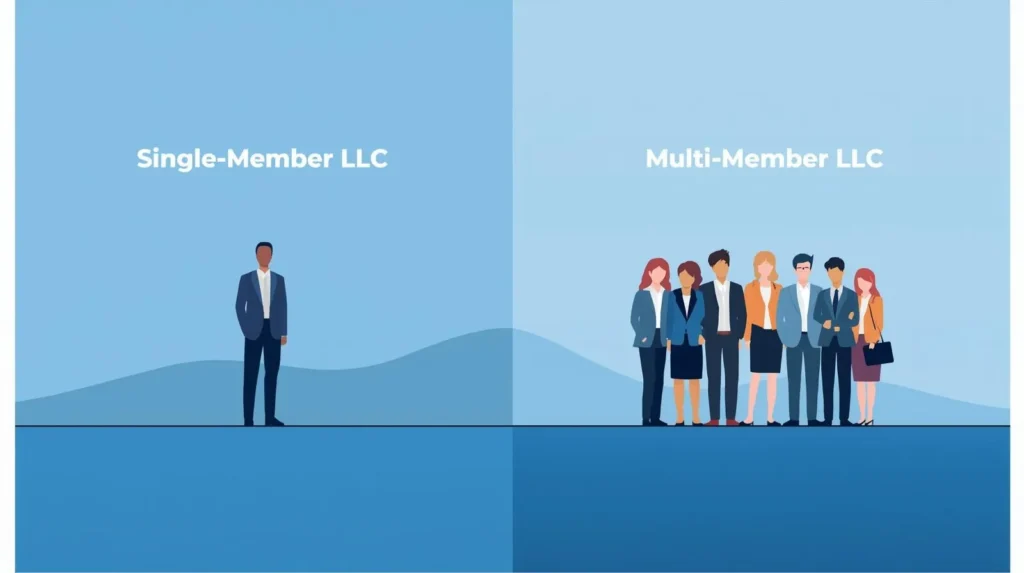
Yes, single-member LLCs can provide personal asset protection.
However, single-member LLC owners need to be extra careful because there is only one owner.
That makes it easier to accidentally blur the line between personal and business activity.
A single-member LLC owner should:
• Use a separate business bank account
• Create an operating agreement
• Keep business records
• Sign contracts as the LLC
• Avoid personal use of company funds
• Maintain compliance
• Use business insurance
The more clearly you separate yourself from the LLC, the stronger your position becomes.
Do Multi-Member LLCs Offer Better Protection?
Multi-member LLCs can also protect personal assets.
They often have more formal records because there are multiple owners, operating agreements, votes, and financial records.
However, multi-member LLCs also need clear rules.
The operating agreement should explain:
• Ownership percentages
• Voting rights
• Profit distribution
• Member duties
• Buyout rules
• Exit terms
• Dispute process
Good structure helps protect both the business and the members.
When Can LLC Owners Still Be Personally Liable?
LLC owners may still be personally liable in certain cases.
Examples include:
• Personally guaranteeing debt
• Committing fraud
• Mixing business and personal funds
• Failing to pay certain taxes
• Personally injuring someone
• Acting outside the law
• Operating after the LLC loses good standing
• Using the LLC as a personal bank account
The best way to reduce risk is to run the LLC like a real business.
FAQs About Protecting Personal Assets With an LLC
Does an LLC fully protect my personal assets?
An LLC helps protect personal assets, but protection is not absolute. You still need to keep finances separate, follow laws, avoid personal guarantees, and maintain compliance.
Can creditors take my personal assets if I have an LLC?
Usually, business creditors are limited to business assets. However, personal guarantees, fraud, unpaid taxes, or poor LLC management can create personal liability.
Do I need a business bank account for liability protection?
Yes, it is strongly recommended. A separate bank account helps show that your LLC is separate from you personally.
Can I pay personal expenses from my LLC account?
You should avoid it. Personal expenses should be paid from your personal account, not the LLC account.
Does an LLC protect my home?
An LLC may help protect your home from business-related claims, but it does not protect against personal debts, mortgage obligations, personal guarantees, or personal wrongdoing.
Is insurance still needed if I have an LLC?
Yes. An LLC provides legal separation, while insurance helps cover claims, lawsuits, and damages.
Can a single-member LLC protect me?
Yes, but you must manage it properly. Keep separate finances, records, contracts, and compliance.
What is the biggest mistake LLC owners make?
The biggest mistake is mixing personal and business finances. This can weaken the separation between the owner and the LLC.
Final Thoughts
An LLC can be a strong tool for protecting personal assets, but only if you use it correctly.
Forming the LLC is just the beginning. To keep your protection strong, you need to treat the company as a separate legal entity.
That means opening a business bank account, keeping clean records, signing contracts in the LLC’s name, staying compliant with state rules, using insurance, and avoiding personal guarantees whenever possible.
The LLC gives you a legal shield, but your daily habits determine how strong that shield remains.
For freelancers, consultants, ecommerce sellers, real estate investors, local service providers, agencies, and online business owners, an LLC is one of the most practical ways to reduce personal risk.
If you run it properly, it can help keep your personal assets safer while giving your business a cleaner and more professional structure.