
FinCEN reporting has been one of the most confusing compliance topics for small LLC owners.
For a long time, many business owners believed that almost every small LLC had to file a Beneficial Ownership Information report, also known as a BOI report, with FinCEN.
That caused a lot of confusion for freelancers, consultants, ecommerce sellers, real estate investors, agencies, and small business owners.
The rules changed.
As of 2026, most LLCs formed in the United States do not need to file BOI reports with FinCEN. Domestic U.S. companies are currently exempt from the federal BOI reporting requirement.
However, FinCEN reporting still matters because certain foreign companies registered to do business in the United States may still need to file.
Small LLC owners should also understand the rule because outdated articles, old compliance emails, and third-party filing services may still suggest that every LLC must file.
This guide explains how FinCEN reporting works for small LLCs, who needs to file, who is exempt, and what steps to follow if your company is still required to report.
What Does FinCEN Reporting Mean for LLCs?
FinCEN stands for the Financial Crimes Enforcement Network.
It is a bureau of the U.S. Department of the Treasury that focuses on financial crime, money laundering, fraud, and illegal use of business entities.
FinCEN reporting usually refers to Beneficial Ownership Information reporting, also called BOI reporting.
A BOI report provides information about the people who own or control a company.
The original purpose of BOI reporting was to make it harder for anonymous companies to be used for illegal activity.
For LLCs, BOI reporting was originally expected to include details about the company and its beneficial owners.
A beneficial owner generally means a person who:
• Owns or controls the company
• Has substantial control over the company
• Has authority over major decisions
• Owns a major ownership interest
• Controls the company directly or indirectly
However, under the current 2026 rule, most domestic U.S. LLCs are not required to file this report.
Do Small LLCs Need to File FinCEN BOI Reports in 2026?
Most small LLCs formed in the United States do not need to file BOI reports with FinCEN in 2026.
This includes LLCs formed in states such as:
• Wyoming
• Delaware
• Florida
• Texas
• California
• Nevada
• New York
• New Mexico
• Any other U.S. state
FinCEN’s updated rule removed the reporting requirement for entities previously treated as domestic reporting companies. It also removed the requirement for U.S. persons to report BOI.
This means a typical U.S.-formed LLC owned by a U.S. person does not need to file.
A typical U.S.-formed LLC owned by a non-U.S. person is also generally treated as a domestic U.S. entity because it was created under U.S. state law. Under the current rule, domestic entities are exempt.
Still, foreign-owned U.S. LLCs may have other tax and reporting duties. BOI exemption does not remove IRS filings, state annual reports, franchise taxes, licenses, or bank verification requirements.
Who May Still Need to File?
FinCEN reporting now mainly applies to certain foreign reporting companies.
A foreign reporting company is generally a company formed under the law of another country that registers to do business in a U.S. state or tribal jurisdiction.
For example, a company formed in India, the UK, Canada, Singapore, or another country that registers with a U.S. state to do business may need to review FinCEN reporting requirements.
Here is a simple breakdown:
| Company Type | BOI Filing in 2026 |
|---|---|
| U.S.-formed single-member LLC | Usually not required |
| U.S.-formed multi-member LLC | Usually not required |
| U.S.-formed corporation | Usually not required |
| Foreign-owned U.S. LLC | Usually not required under BOI rule |
| Foreign company registered in a U.S. state | May be required |
| Exempt regulated company | Usually not required |
| Foreign company not registered in the U.S. | Usually not required |
Foreign reporting companies also do not need to report BOI for U.S. person beneficial owners under the current rule.
Step-by-Step Guide to Navigating FinCEN Reporting
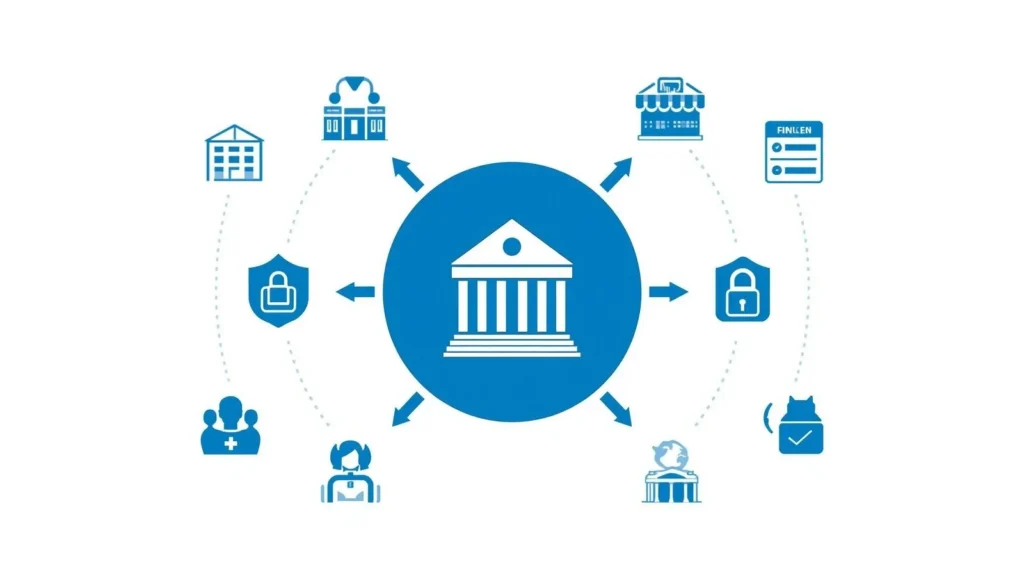
The best approach is to confirm whether your business actually has a filing requirement before paying anyone or submitting unnecessary reports.
Step 1: Identify How Your Company Was Formed
Start by checking where your company was legally created.
Ask:
• Was the company formed under U.S. state law?
• Was it formed outside the United States?
• Is it registered to do business in a U.S. state?
• Is it an LLC, corporation, partnership, or foreign entity?
If your LLC was created by filing Articles of Organization with a U.S. state, it is generally a domestic U.S. LLC.
Under the current rule, that usually means no federal BOI filing is required.
Step 2: Check Whether the Company Is Foreign Registered
If your company was formed outside the United States, check whether it is registered to do business in a U.S. state.
For example:
| Situation | What to Check |
|---|---|
| Indian company registered in Delaware | Review foreign reporting company rules |
| UK company registered in Texas | Review BOI filing requirement |
| U.S. LLC formed in Wyoming | Usually exempt |
| U.S. LLC owned by foreign founder | Usually exempt from BOI, but tax duties may apply |
The key question is not the owner’s citizenship alone. The key question is where the company was formed and whether a foreign entity registered in the U.S.
Step 3: Review Exemptions
Even if a company appears to be a foreign reporting company, it may still qualify for an exemption.
Common exemption categories may include:
• Large operating companies
• Banks
• Credit unions
• Insurance companies
• Public companies
• Registered investment companies
• Tax-exempt entities
• Certain inactive entities
• Other regulated businesses
Most small LLCs do not fall into these regulated categories, but foreign companies should still review them carefully.
Step 4: Identify Beneficial Owners if Filing Applies
If your company must file, identify beneficial owners.
A beneficial owner may be someone who:
• Owns a significant ownership interest
• Controls the company
• Makes major decisions
• Serves as a senior officer
• Controls ownership through another entity
For LLC-style businesses, this may include members, managers, managing members, or controlling persons.
Under the current rule, reporting companies do not need to report BOI of U.S. persons. This matters for foreign companies that have both U.S. and non-U.S. beneficial owners.
Step 5: Collect Required Company Information
If filing is required, collect accurate company information.
You may need:
• Legal company name
• Trade names or DBA names
• Business address
• Jurisdiction of formation
• U.S. registration jurisdiction
• Taxpayer identification number
• Foreign tax ID, if applicable
Make sure every detail matches official company records.
Step 6: Collect Beneficial Owner Details
For reportable beneficial owners, you may need:
• Full legal name
• Date of birth
• Residential address
• Identification number
• Passport, driver’s license, or other accepted ID
• Image of ID document
Do not guess or use outdated information.
If an owner has moved or changed ID documents, use current details.
Step 7: File Through the FinCEN BOI System if Required
BOI reports are filed electronically through FinCEN’s official system.
This is separate from:
• IRS tax returns
• State annual reports
• Articles of Organization
• Registered agent filings
• Business licenses
• Sales tax registrations
Before submitting, review the report carefully.
Incorrect filings may need correction later.
Step 8: Save Confirmation Records
After filing, save proof of submission.
Keep:
• Filing confirmation
• BOI transcript or report copy, if available
• Date filed
• Owner information used
• Company information used
• Any correction or update records
Store these with your LLC or company compliance documents.
Step 9: Track Future Updates if Filing Applies
If your company is required to file BOI, you may need to update information when certain details change.
Possible changes include:
• New beneficial owner
• Change in substantial control
• Company name change
• Address change
• Ownership changes
• Incorrect information discovered after filing
Domestic U.S. LLCs that are exempt generally do not have BOI update duties under the current federal rule.
FinCEN Reporting Checklist for Small LLCs
| Checklist Item | What to Do | Why It Matters |
|---|---|---|
| Confirm formation country | Check whether your company was formed in a U.S. state or outside the U.S. | Domestic U.S. companies are generally exempt from current BOI filing. |
| Check U.S. registration status | If the company was formed abroad, confirm whether it registered to do business in a U.S. state. | Foreign companies registered in the U.S. may still have BOI duties. |
| Avoid outdated advice | Do not rely on old articles saying every LLC must file. | FinCEN rules changed significantly in 2025. |
| Review exemptions | Check whether your company falls under a regulated or exempt category. | Some covered companies may still be exempt. |
| Identify beneficial owners | If filing applies, list people with ownership or substantial control. | BOI reports focus on real people behind the company. |
| Collect accurate documents | Gather names, addresses, tax IDs, and ID documents where required. | Wrong information can create correction issues. |
| Use the official FinCEN system | File only through the official BOI reporting process if required. | This helps avoid unnecessary third-party fees or scams. |
| Save confirmation | Keep proof that the report was submitted. | Records may be needed for compliance, banking, or audits. |
| Track changes | Monitor ownership, control, and address changes if your company must report. | Some changes may require updated reporting. |
| Check other compliance duties | Continue filing annual reports, taxes, licenses, and registered agent renewals. | BOI exemption does not remove other LLC obligations. |
Common FinCEN Reporting Mistakes to Avoid

1. Filing When Your LLC Is Exempt
Many U.S. LLC owners still think they must file because they saw old 2024 guidance.
Do not file unless your company is actually required to report.
2. Confusing FinCEN With the IRS
FinCEN is not the IRS.
BOI reporting is separate from EINs, income taxes, payroll taxes, and federal tax returns.
3. Ignoring Foreign Company Rules
Domestic U.S. LLCs are generally exempt, but foreign companies registered in the U.S. may still need to review reporting requirements.
4. Paying Unnecessary Filing Services
Some services may still market BOI filing to LLC owners who no longer need it.
Confirm the requirement before paying.
5. Thinking BOI Exemption Means No Compliance
BOI exemption does not cancel state annual reports, taxes, registered agent duties, business licenses, or IRS filings.
Do You Need a Lawyer for FinCEN Reporting?
Most domestic U.S. LLC owners do not need a lawyer for federal BOI filing because they generally do not need to file.
However, professional help may be useful if:
• Your company was formed outside the U.S.
• Your foreign entity is registered in a U.S. state
• Ownership is held through multiple entities
• You have foreign and U.S. beneficial owners
• You are unsure whether an exemption applies
• Your company has complex control rights
• You already filed and need correction advice
For a simple U.S.-formed LLC, the main task is confirming exemption and avoiding outdated filing advice.
FAQs About FinCEN Reporting for Small LLCs
Do small LLCs need to file BOI in 2026?
Most LLCs formed in the United States do not need to file BOI reports under the current FinCEN rule.
Do foreign-owned U.S. LLCs need to file BOI?
Generally, a U.S.-formed LLC is treated as a domestic entity, even if owned by a non-U.S. person. Domestic entities are currently exempt from BOI reporting.
Who still needs to file BOI?
Certain foreign companies registered to do business in a U.S. state may still need to file unless an exemption applies.
Is BOI reporting the same as filing taxes?
No. BOI is filed with FinCEN. Tax returns are filed with the IRS or state tax agencies.
What if my LLC already filed BOI before the rule changed?
Domestic reporting companies generally do not need to update or correct previously filed BOI reports under the current interim rule.
Can FinCEN rules change again?
Yes. BOI rules have changed before, so LLC owners should review current guidance before making compliance decisions.
Final Thoughts
FinCEN reporting for small LLCs has changed a lot.
The most important update is that most U.S.-formed LLCs are currently exempt from federal BOI reporting.
That means a typical small LLC formed in Wyoming, Delaware, Florida, Texas, California, Nevada, New York, or another U.S. state usually does not need to file a BOI report with FinCEN in 2026.
However, foreign companies registered to do business in the United States may still need to review BOI filing rules.
The smart approach is simple.
Check where your company was formed, confirm whether it is domestic or foreign, review exemptions, avoid outdated filing advice, and keep records of your compliance decision.
Even if your LLC does not need to file BOI, you still need to manage normal LLC compliance. That includes annual reports, taxes, registered agent service, licenses, permits, and clean business records.
FinCEN reporting may not apply to most small U.S. LLCs right now, but understanding the rule can help you avoid unnecessary filings, third-party fees, and compliance mistakes.